
Real Estate Joint Venture Pitch Deck: A Comprehensive Plan
Navigating the complexities of real estate investments requires a meticulously crafted pitch deck, often delivered as a PDF document;
This comprehensive guide details essential elements for securing funding,
highlighting property details, financial projections, and team expertise—all crucial for a successful venture․
Detailed PDF reports, including appraisals and pro forma statements,
bolster credibility and demonstrate thorough due diligence․
A well-structured PDF pitch deck is paramount for attracting potential joint venture partners․
Legal agreements and supporting documentation, also in PDF format,
ensure transparency and mitigate risks, fostering trust and confidence in the investment opportunity․
Real estate joint ventures (JVs) represent a powerful strategy for pooling resources and expertise to undertake complex projects․ These partnerships allow investors to share risks and rewards, accessing opportunities that might be unattainable individually․ A crucial component of initiating a successful JV is a compelling pitch deck, frequently circulated as a professional PDF document․
This PDF serves as a concise yet comprehensive overview of the proposed venture, outlining the investment opportunity, financial projections, and the capabilities of the sponsoring team․ It’s the first impression, and therefore must clearly articulate the value proposition․ The document’s structure should be logical, visually appealing, and easily digestible for potential partners․
Effective JVs require alignment of interests and a transparent presentation of potential challenges․ The PDF pitch deck facilitates this by providing a centralized repository of information, fostering informed decision-making and building trust between all parties involved․ It’s a foundational element for securing capital and launching a profitable real estate endeavor․
II․ The Power of a Compelling Pitch Deck
In the competitive landscape of real estate investment, a well-crafted pitch deck – typically delivered as a polished PDF – is paramount․ It transcends a simple presentation; it’s a strategic document designed to captivate potential joint venture partners and secure crucial funding․ A compelling PDF effectively communicates the project’s viability and potential for substantial returns․
The power lies in its ability to distill complex information into a concise, visually engaging narrative․ High-quality graphics, clear financial projections, and a persuasive narrative are essential․ A professionally designed PDF demonstrates seriousness and attention to detail, instilling confidence in investors․
Furthermore, a digital PDF format allows for easy distribution and review, facilitating efficient communication and accelerating the decision-making process․ It’s a vital tool for showcasing expertise, mitigating perceived risks, and ultimately, closing the deal․ A strong pitch deck is often the deciding factor․
III․ Key Components of a Real Estate JV Pitch Deck

A successful real estate joint venture pitch deck, commonly circulated as a PDF, requires a strategic assembly of key elements․ Foremost is an Executive Summary, concisely outlining the investment opportunity․ Following this, a clear articulation of the Problem & Solution, identifying market gaps and your project’s response, is crucial․
The PDF must then detail the Investment Opportunity itself, encompassing a comprehensive Property Overview, a detailed Development Plan with a realistic timeline, and robust Financial Projections showcasing ROI and key metrics․ Equally vital is showcasing The Team – sponsor track record and management roles․
Finally, a clear Financial Structure (capital stack, profit sharing), Risk Assessment, Due Diligence Checklist, and a compelling Call to Action are essential․ A well-structured PDF ensures all critical information is readily accessible to potential partners, maximizing its impact․

A․ Executive Summary: The Deal in a Nutshell
The Executive Summary, typically the first section of your real estate JV pitch deck PDF, is paramount․ It’s a concise overview, captivating potential investors within moments․ This section should immediately highlight the investment’s core value proposition – the “deal in a nutshell․”
Clearly state the total capital required, the projected return on investment (ROI), and the overall investment strategy․ Briefly introduce the property and its key advantages, emphasizing its potential for profitability․ A strong summary will also touch upon the experienced team involved․
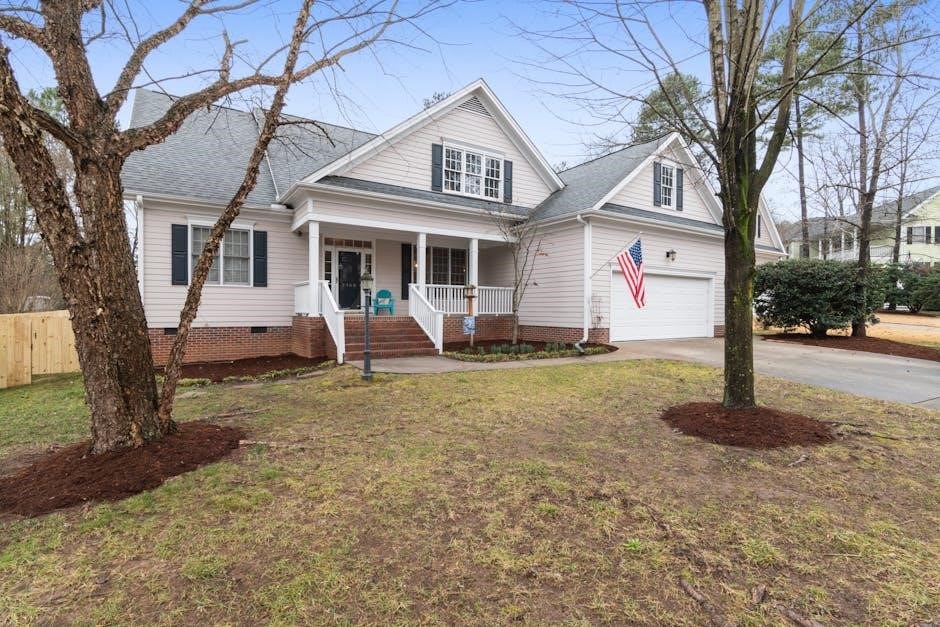
This isn’t a detailed report, but a compelling hook․ The goal is to pique interest and encourage further exploration of the accompanying PDF’s detailed sections․ Keep it succinct, impactful, and focused on the key benefits for investors․
B․ Problem & Solution: Identifying Market Gaps
Within your real estate JV pitch deck PDF, the “Problem & Solution” section establishes the necessity for your project․ Articulate a clear market gap or unmet need within the target location․ Is there a shortage of housing, limited retail options, or an outdated infrastructure? Define the problem with data-driven insights․

Subsequently, present your project as the definitive solution․ Explain how your development addresses the identified problem, creating value for both investors and the community․ Highlight the competitive advantages of your approach, demonstrating a superior strategy․

This section isn’t just about identifying issues; it’s about showcasing opportunity․ A compelling narrative, supported by market research within the PDF, convinces investors that your project fills a genuine need and offers a strong return․
IV․ The Investment Opportunity: Project Details
The core of your real estate JV pitch deck PDF lies in detailing the investment opportunity itself․ This section transforms vision into tangible specifics, captivating potential partners with a clear understanding of the project’s scope․ Present a concise overview of the development, emphasizing its potential for substantial returns․
Focus on providing comprehensive information regarding the property, development plans, and financial projections․ Investors need to visualize the project’s success, and a well-structured PDF is crucial for conveying this․ Include key metrics and a realistic timeline․
This isn’t merely a description; it’s a persuasive argument for investment․ Demonstrate a thorough understanding of the market and a clear path to profitability, all meticulously outlined within the PDF document․
A․ Property Overview: Location, Size, and Zoning
Within your real estate JV pitch deck PDF, the property overview is foundational․ Begin with a compelling description of the location, highlighting its strategic advantages – proximity to amenities, transportation, and growth corridors․ Detailed maps and aerial views are essential visual aids within the PDF․
Clearly state the property’s size (land area, building square footage) and current zoning regulations․ Investors need to understand development limitations and potential uses․ Include a zoning map excerpt within the PDF to illustrate permitted densities and building heights․
This section establishes the physical foundation of the investment․ A concise, informative, and visually appealing property overview within the PDF builds confidence and demonstrates due diligence․
B․ Development Plan: Scope of Work & Timeline
The development plan, a critical component of your real estate JV pitch deck PDF, details the project’s execution․ Clearly outline the scope of work – construction, renovation, or ground-up development – specifying key deliverables and improvements․ Visual aids, like site plans and renderings, are crucial within the PDF․
Present a realistic and detailed timeline, broken down into phases with estimated completion dates․ Utilize a Gantt chart within the PDF to visually represent the project schedule․ Highlight key milestones and dependencies․
This section demonstrates your team’s ability to execute the project efficiently․ A well-defined scope of work and timeline, presented clearly in the PDF, instills confidence in potential investors and showcases project feasibility․
C․ Financial Projections: ROI & Key Metrics
Financial projections are the heart of your real estate JV pitch deck PDF, demonstrating potential profitability․ Present a comprehensive pro forma, detailing projected revenues, expenses, and cash flow over the investment horizon․ Include key metrics like Internal Rate of Return (IRR), Net Present Value (NPV), and equity multiple․
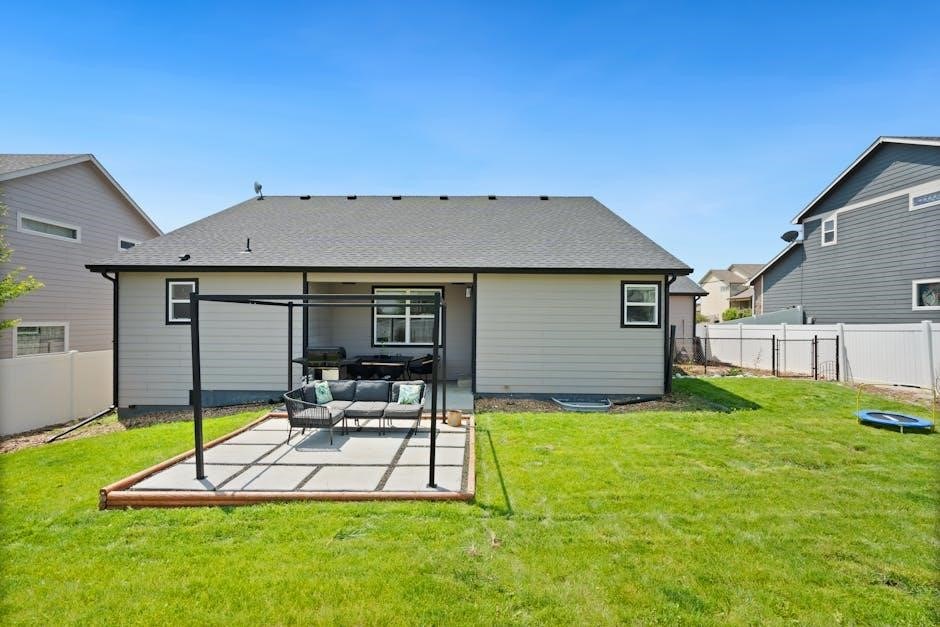
Clearly articulate the projected Return on Investment (ROI) for investors․ Sensitivity analysis, showcasing how returns change under different scenarios, builds credibility within the PDF․ Use charts and graphs to visually represent financial data․
A robust financial model, thoroughly detailed in the PDF, is essential for attracting capital․ Transparency and realistic assumptions are paramount, demonstrating a clear understanding of the investment’s financial viability․
V․ The Team: Expertise and Experience
Showcase the strength of your team within the real estate JV pitch deck PDF; investors invest in people as much as projects․ Detail the Sponsor’s track record, highlighting successful past ventures and relevant experience․ Emphasize expertise in acquisition, development, and property management․
Clearly define roles and responsibilities of each key team member in the PDF․ Include concise biographies emphasizing relevant skills and accomplishments․ A strong management team instills confidence in the project’s execution․
Highlight any advisory roles or strategic partnerships that add value․ A well-presented team section, within the PDF, demonstrates the capability to deliver on projected returns and navigate potential challenges․
A․ Sponsor Profile: Track Record & Capabilities
The Sponsor profile, a critical component of your real estate JV pitch deck PDF, must demonstrate a proven history of success․ Detail completed projects, emphasizing scale, complexity, and profitability․ Include key metrics like IRR, equity multiple, and project timelines․
Showcase capabilities beyond just deal-making; highlight expertise in areas like construction management, leasing, and asset management․ A strong track record builds investor confidence and validates the Sponsor’s ability to execute the proposed development plan, as detailed in the PDF․
Include testimonials or references from previous investors or partners within the PDF․ Quantify achievements whenever possible, and clearly articulate the Sponsor’s competitive advantages․ This section establishes credibility and demonstrates a consistent ability to deliver value․
B․ Management Team: Roles & Responsibilities

Within your real estate JV pitch deck PDF, clearly define the management team’s structure and individual roles․ Outline specific responsibilities for each key member, demonstrating a cohesive and capable leadership group․ Highlight relevant experience and expertise directly applicable to the project’s success․
Detail decision-making processes and reporting lines, ensuring transparency and accountability․ Investors want to understand who is responsible for what, and how issues will be addressed․ A well-defined organizational chart, included in the PDF, is highly recommended․
Emphasize any specialized skills or certifications held by team members․ This section builds confidence by showcasing a team equipped to handle all aspects of the development, from acquisition to stabilization, as outlined in the PDF’s project details․
VI․ Financial Structure & Terms
The financial backbone of your real estate JV, detailed in the pitch deck PDF, must be crystal clear․ Articulate the capital stack – the proportion of equity versus debt financing – and explain how funds will be deployed․ Transparency regarding fees paid to the manager and affiliates (like CS Development) is crucial, as noted in related documentation․
Clearly define the profit-sharing arrangement and waterfall distribution․ Investors need to understand how returns will be allocated at different profitability levels․ This section of the PDF should outline specific percentages and triggers for each tier․
Present a concise overview of key financial terms, including preferred returns, hurdle rates, and any carried interest․ A well-structured PDF will leave no ambiguity about the financial incentives for all parties involved․
A․ Capital Stack: Equity & Debt
Within your real estate JV pitch deck PDF, a detailed breakdown of the capital stack is paramount․ Illustrate the precise ratio of equity investment to debt financing utilized for the project․ Specify the sources of both – equity partners and lending institutions – and their respective contributions․
Clearly define the terms of the debt, including interest rates, loan-to-value (LTV) ratio, and any associated covenants․ This section of the PDF should demonstrate a conservative and well-structured financing plan․
Highlight the equity contributions from each partner, outlining any required capital calls or funding schedules․ A transparent presentation of the capital stack builds investor confidence and demonstrates financial stability, as detailed in supporting PDF documents․
B․ Profit Sharing & Waterfall Distribution
A crucial component of your real estate JV pitch deck PDF is a clear articulation of the profit-sharing arrangement and waterfall distribution․ This outlines how profits will be allocated among the joint venture partners throughout the project’s lifecycle․
Detail the tiered structure of distributions, specifying priority levels for returning capital, preferred returns to equity investors, and subsequent splits of residual profits․ A visual representation within the PDF, like a chart, can enhance understanding․
Transparency is key; clearly define all thresholds and percentages for each tier․ This section, supported by detailed financial models in the PDF appendix, demonstrates fairness and aligns incentives, fostering a strong partnership and attracting investment․
VII․ Risk Assessment & Mitigation Strategies
A comprehensive real estate JV pitch deck PDF must proactively address potential risks and outline mitigation strategies․ Investors seek confidence in a sponsor’s ability to navigate challenges․
Identify key risks – market fluctuations, construction delays, permitting issues, environmental concerns, and financing contingencies – and detail specific plans to minimize their impact․ This section demonstrates foresight and preparedness․
Include contingency planning, insurance coverage details, and alternative strategies within the PDF․ A robust risk assessment, backed by thorough due diligence (detailed in the PDF appendix), builds trust and showcases a responsible investment approach, ultimately increasing investor confidence․

VIII․ Due Diligence Checklist & Timeline
The due diligence phase is critical; your pitch deck PDF should include a clear, concise checklist and timeline․ This demonstrates transparency and a structured approach to verifying investment details․

Outline key due diligence items – property inspections, title reviews, environmental assessments, financial audits, and legal compliance checks – within the PDF․ A detailed timeline, specifying expected completion dates for each item, manages expectations and showcases efficiency․
Provide access to supporting documentation (appraisals, market reports, legal agreements – all in PDF format) to facilitate a smooth and efficient process․ A well-defined due diligence plan, clearly presented in the PDF, builds trust and accelerates the investment decision․
IX․ Call to Action: Next Steps & Contact Information
Your real estate JV pitch deck PDF must conclude with a compelling call to action, clearly outlining the desired next steps․ This section should explicitly state what you want from potential investors – a follow-up meeting, a commitment letter, or further discussion․
Provide comprehensive contact information – name, title, email, phone number – for key team members, readily accessible within the PDF․ Include a clear timeline for expected responses and decision-making․
Reiterate the investment’s key benefits and potential ROI, leaving a lasting positive impression․ A strong call to action, seamlessly integrated into the PDF, encourages engagement and moves the deal forward, fostering a productive partnership․
X․ Appendix: Supporting Documents (PDF Focus)
The appendix of your real estate JV pitch deck PDF serves as a repository for detailed supporting documentation․ Crucially, all documents should be provided in PDF format for accessibility and security․
Essential inclusions are property appraisals and comprehensive market reports, demonstrating due diligence and validating investment assumptions․ Detailed pro forma financial statements, also in PDF, showcase projected returns and financial viability․
Include all relevant legal documents and agreements – purchase agreements, operating agreements, and partnership terms – as PDF attachments․ A well-organized appendix, entirely PDF-based, builds trust and provides investors with the information needed for informed decision-making․
A․ Property Appraisals & Market Reports (PDF)
Within the PDF appendix, property appraisals are foundational, providing an independent valuation of the asset․ These PDF reports should detail the appraisal methodology, comparable sales, and the appraiser’s qualifications, bolstering investor confidence․
Complementing appraisals are detailed market reports, also in PDF format, showcasing local economic conditions, demographic trends, and competitive analyses․ These reports demonstrate a thorough understanding of the investment environment․
Ensure these PDF documents are current and sourced from reputable providers․ A comprehensive presentation of appraisals and market data, readily available as PDFs, establishes credibility and supports the projected financial performance․
B․ Pro Forma Financial Statements (PDF)
The PDF appendix must include detailed pro forma financial statements, projecting the property’s future performance․ These statements, presented as a PDF, should encompass income statements, balance sheets, and cash flow projections over a realistic timeframe – typically 5-10 years․
Key assumptions driving these projections must be clearly outlined within the PDF, including rental rates, occupancy levels, operating expenses, and exit capitalization rates․ Sensitivity analyses, also within the PDF, demonstrate the investment’s resilience to market fluctuations․
Professionally prepared and audited pro forma statements, delivered as a PDF, are critical for attracting investors and securing joint venture funding․ Transparency and accuracy are paramount in these financial projections․
C․ Legal Documents & Agreements (PDF)
A comprehensive PDF appendix should contain all pertinent legal documents and agreements related to the joint venture․ This includes the joint venture agreement itself, outlining the rights, responsibilities, and profit-sharing arrangements between partners․ Copies of title reports, surveys, and zoning approvals should also be included within the PDF․
Any existing leases, purchase agreements, or loan documents must be readily available as part of this PDF package․ Legal due diligence is crucial, and providing these documents upfront demonstrates transparency and builds trust with potential investors․
Ensure all documents within the PDF are reviewed by legal counsel to confirm accuracy and compliance․ A well-organized legal PDF demonstrates professionalism and minimizes potential risks for all parties involved․