Ferrari 599 Manual Conversion: A Comprehensive Plan
Modern Ferraris favor dual-clutch automatics, yet many enthusiasts desire a manual experience. This guide details converting a 599 GTB Fiorano, addressing challenges and benefits.
The Ferrari 599 GTB Fiorano, a modern classic, initially offered only an automated manual transmission. However, a growing contingent of drivers yearn for the visceral connection and complete control afforded by a traditional, self-shifting manual gearbox. While contemporary high-performance vehicles often prioritize dual-clutch systems for their speed and efficiency, the allure of a manual remains strong for purists.
This desire stems from a preference for driver engagement, a more direct link to the machine, and the satisfaction of mastering gear changes. Many believe a manual transmission enhances the overall driving experience, particularly on spirited drives and track days. The appeal isn’t about outright speed, but about the feeling of being truly connected to the car.
Why Convert? The Demand for Manual Ferraris
The demand for manual Ferraris exists because many feel certain cars were compromised by solely offering automatic options. Despite advancements in automatic technology, a significant number of enthusiasts believe that some vehicles, like the 599, would be dramatically improved with a traditional manual transmission; This isn’t simply nostalgia; it’s a pursuit of a more engaging driving experience.
Owners often cite a desire to rectify what they perceive as a factory oversight, transforming their 599 into the car it should have been. The conversion addresses a perceived lack of driver involvement, appealing to those who prioritize feel and control over sheer speed. It’s about personalization and fulfilling a specific automotive vision.
Historical Context: Ferrari’s Manual Transmission Legacy
Ferrari built its reputation on cars that demanded driver skill, and manual transmissions were central to that identity for decades. Early Ferraris, iconic models like the 250 GTO and Daytona, were exclusively offered with manual gearboxes, fostering a direct connection between driver and machine. This tradition continued through models like the 365 GTB/4 Daytona and the 512 BB.
The shift towards automatic and, later, dual-clutch systems reflected a pursuit of performance gains, but also a departure from Ferrari’s core values for some enthusiasts. Understanding this history highlights why the desire to reintroduce a manual option to a modern Ferrari like the 599 resonates so strongly.
The 599 GTB Fiorano – A Prime Candidate
The 599 GTB Fiorano presents a compelling platform for manual conversion due to its front-mid engine layout and relatively spacious engine bay. Unlike some later Ferraris with more complex packaging, the 599 offers more room to accommodate a manual transmission without extensive chassis modification. Its naturally aspirated V12 engine also lends itself well to the engaging driving experience a manual gearbox provides.
Furthermore, the 599’s existing mechanical linkages and overall design philosophy align better with a traditional manual setup, making the conversion process potentially less arduous compared to other models.
Challenges of the Conversion Process
Converting a Ferrari 599 GTB Fiorano from automatic to manual is a complex undertaking, fraught with significant challenges. The car was originally designed solely for automatic transmission operation, meaning substantial modifications are required. These include adapting the chassis, modifying the wiring harness, and crucially, remapping the Engine Control Unit (ECU) to eliminate automatic transmission controls and implement manual logic.
Successfully integrating a manual system demands expertise in both Ferrari mechanics and automotive electronics, presenting a steep learning curve and potential for costly errors.
Sourcing a Compatible Manual Transmission
Finding a suitable manual transmission for the Ferrari 599 presents a considerable hurdle. The 599 was never factory-equipped with a manual gearbox, necessitating the use of a transmission from another compatible vehicle, or a custom-built solution. Identifying gearboxes, such as a robust 6-speed unit, requires extensive research and careful consideration of gear ratios and overall compatibility with the 599’s engine and drivetrain.
Availability is limited, often relying on used parts markets, increasing both the search time and potential cost.
Identifying Suitable Gearboxes (e.g., 6-Speed)
Several gearbox options might be adapted for the 599, but a 6-speed manual is a popular choice due to its balance of performance and driver engagement. Gearboxes from other high-performance rear-wheel-drive vehicles with similar power outputs are potential candidates, though significant modifications are almost always required. Considerations include bell housing compatibility, input shaft spline count, and overall dimensions to ensure it physically fits within the 599’s chassis.
Thorough investigation into gear ratios is crucial for maintaining optimal performance.
Availability and Cost of Used Manual Transmissions
Sourcing a suitable used manual transmission can be challenging, as Ferrari never offered a manual 599 from the factory. Availability largely depends on finding compatible gearboxes from other vehicles, potentially requiring extensive searching through specialist gearbox suppliers and online marketplaces. Expect costs to vary significantly based on condition, rarity, and demand.
A well-maintained 6-speed gearbox could range from $3,000 to $8,000 or more, excluding shipping and any necessary rebuilds or modifications. Budgeting for potential refurbishment is essential.
Required Components Beyond the Transmission
The transmission itself is only the beginning; a complete conversion demands numerous additional parts. A performance-grade clutch kit and flywheel are crucial for handling the increased power and providing a responsive feel. A new pedal box, including clutch, brake, and potentially a modified throttle setup, is essential for driver input.
Furthermore, a complete shift linkage and shifter assembly are needed, alongside significant ECU remapping to integrate manual control. Don’t forget master cylinders and potentially a modified driveshaft to accommodate the change.
Clutch Kit and Flywheel
Selecting the right clutch and flywheel is paramount for a successful 599 manual conversion. The factory automatic setup won’t suffice; a performance-oriented clutch kit is vital to handle the engine’s torque. Consider a multi-plate carbon-ceramic clutch for superior heat management and engagement.
The flywheel’s weight significantly impacts engine responsiveness. A lighter flywheel enhances acceleration but can introduce more engine vibration. Careful consideration of driving style and desired performance characteristics is key when choosing these components.
Pedal Box and Master Cylinders
Installing a proper pedal box is crucial, as the 599 was originally designed without a clutch pedal. Sourcing a compatible pedal box, potentially from another Ferrari model or a specialized aftermarket supplier, is the first step. Matching the master cylinder bore size to the chosen clutch is vital for optimal pedal feel and hydraulic pressure.
Consider a dual-master cylinder setup for increased safety and reliability. Proper mounting and reinforcement of the pedal box area within the cabin are essential for structural integrity and driver confidence.
Shift Linkage and Shifter Assembly
Selecting the right shifter assembly is paramount for a satisfying manual experience. Options range from adapting a factory Ferrari shifter from a compatible model to utilizing high-quality aftermarket solutions designed for precision and durability. The shift linkage must connect the shifter to the transmission flawlessly.
Careful attention to geometry and adjustment is needed to ensure accurate gate selection and minimal travel. Robust mounting points are essential to withstand the forces applied during spirited driving, preventing unwanted play or looseness.
ECU Remapping and Software Integration
The original ECU is programmed for automatic transmission control and must be comprehensively remapped. This involves disabling automatic functions and implementing logic for manual gear selection, clutch engagement, and launch control. Simply removing signals will cause errors.
Custom software is often required to interpret driver input from the new shifter and accurately control engine parameters. A skilled tuner experienced with Ferrari ECUs is crucial for a safe and optimized result, ensuring smooth operation and preventing damage.
Disabling Automatic Transmission Controls
Successfully removing the automatic transmission’s influence requires meticulous ECU work. Simply disconnecting components isn’t enough; the system will likely throw error codes and potentially enter a limp mode. The ECU needs to be reprogrammed to ignore signals from the removed automatic gearbox sensors and actuators.
This includes disabling torque converter control, gear selection monitoring, and any related systems. Failure to properly disable these controls can lead to unpredictable behavior and compromise the vehicle’s safety and reliability. A complete software overhaul is essential.
Implementing Manual Transmission Control Logic
With the automatic controls disabled, the ECU must now interpret inputs from the new manual system. This involves programming the ECU to recognize signals from the clutch switch, gear position sensor, and driver inputs via the shifter assembly. Custom software or a specialized module is typically required to translate these signals into appropriate engine and drivetrain commands.
The logic must accurately manage engine speed, ignition timing, and fuel delivery to ensure smooth gear changes and optimal performance. This is a complex process demanding expertise in Ferrari ECUs.
Mechanical Modifications: Adapting the Chassis
The 599’s chassis wasn’t designed for a manual, necessitating significant alterations. The transmission tunnel requires modification to accommodate the new gearbox and shift linkage, often involving cutting and welding. A custom driveshaft is crucial, as the length will differ from the original automatic setup, impacting drivetrain angles and balance.
Reinforcement of the tunnel may be needed to maintain structural integrity. Careful consideration must be given to exhaust routing, potentially requiring adjustments to avoid interference with the new components.
Transmission Tunnel Modifications
The Ferrari 599’s transmission tunnel presents a major hurdle during manual conversion. Originally shaped for the automatic gearbox, it requires substantial reshaping to house the manual transmission and associated linkage. This typically involves careful cutting, followed by fabrication and welding of new panels to create sufficient clearance.
Maintaining structural rigidity is paramount; reinforcement plates are often integrated. Attention to detail is vital to ensure a clean, factory-like finish, preserving the vehicle’s aesthetics and preventing unwanted vibrations.
Driveshaft Alterations
Adapting the driveshaft is crucial when swapping the 599’s automatic for a manual transmission. The length and splines will almost certainly be incompatible, necessitating a custom-made driveshaft. Precise measurements are essential to ensure proper engagement with the new gearbox and rear differential.
Consideration must be given to the driveshaft’s operating angles to avoid vibrations. Balancing the driveshaft is also critical for smooth operation at higher speeds. A reputable driveshaft specialist is highly recommended for this complex task.
Wiring Harness Modifications and Integration
The Ferrari 599’s wiring harness requires significant modification to accommodate the manual transmission. The automatic transmission’s control signals must be completely removed or repurposed. New wiring will be needed for the clutch switch, gear position sensor, and potentially, the ECU to interpret manual inputs.
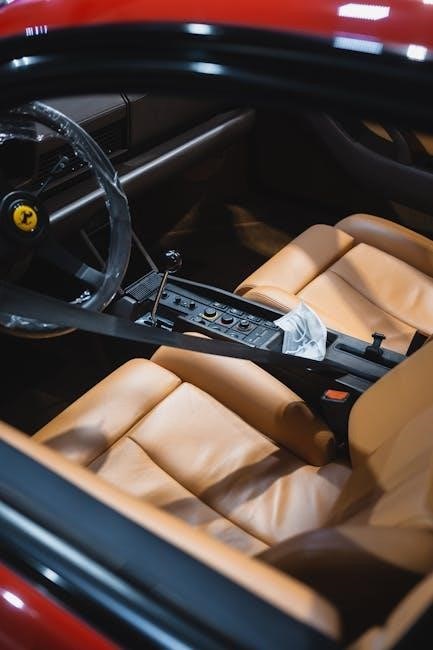
Careful tracing of circuits and a detailed wiring diagram are essential. Incorrect wiring can lead to serious electrical issues. Professional assistance from an automotive electrician experienced with Ferraris is strongly advised to ensure a safe and functional integration.
Cooling System Adjustments for Manual Transmission
While seemingly unrelated, the manual transmission generates a different heat load compared to the original automatic. The automatic transmission fluid acted as a cooling agent; the manual gearbox requires a dedicated cooling solution. This often involves installing an auxiliary transmission oil cooler and associated lines.
Monitoring transmission oil temperature post-conversion is crucial. Ensuring adequate cooling prevents premature wear and failure. Consider upgrading the radiator or adding additional cooling fans if track use is anticipated, maintaining optimal performance and longevity.
Potential Issues and Troubleshooting
Post-conversion, several issues may arise requiring careful diagnosis. Clutch wear is a common concern, demanding regular inspection and potential adjustment. Shift quality can be problematic; linkage refinement is often needed for smooth operation. Electrical gremlins stemming from ECU remapping or wiring modifications are also possible.
Troubleshooting requires a skilled technician familiar with both Ferrari systems and manual transmission integration. Diagnostic tools and a methodical approach are essential to identify and resolve any arising problems, ensuring a reliable and enjoyable driving experience.
Clutch Wear and Adjustment
Following a 599 manual conversion, monitoring clutch performance is crucial. Aggressive driving and the increased weight of the vehicle can accelerate clutch wear. Regular inspection for slippage, unusual noises, or changes in pedal feel is essential. Adjustment may be necessary to maintain optimal engagement and prevent premature failure.
Proper clutch adjustment ensures smooth gear changes and prolongs component life. Utilizing a high-quality clutch kit designed for the 599’s power output is highly recommended. Ignoring these aspects can lead to costly repairs and diminished driving pleasure.
Shift Quality and Linkage Refinement
Achieving precise and satisfying shifts is paramount after a 599 manual conversion. Initial linkage setup often requires refinement to eliminate vagueness or excessive travel. Adjustments to the shift linkage, including cable tension or rod lengths, are critical for optimal feel.
Consider the shifter assembly itself; aftermarket options can enhance precision. Thorough testing across all gears is vital, addressing any notching or resistance. A well-refined linkage provides a direct connection, enhancing the driving experience and making the 599 truly engaging.
Cost Breakdown: Estimating the Total Expense
A Ferrari 599 manual conversion represents a significant financial undertaking. Parts costs can range from $8,000 to $15,000+, encompassing the transmission, clutch, flywheel, pedal box, and linkage components. Labor costs, if utilizing a professional shop, will likely add another $5,000 to $10,000+ depending on complexity and location.
ECU remapping and potential fabrication work contribute further. Contingency funds are crucial for unforeseen issues. Total expenses could easily exceed $20,000, making careful budgeting and sourcing essential for a successful conversion;
Parts Costs
The most substantial expense is the manual transmission itself, potentially costing $5,000 ― $10,000 depending on condition and source. A high-quality clutch kit and flywheel assembly will add another $1,500 ― $3,000. The pedal box, including master cylinders, ranges from $800 to $1,500.
Shift linkage and shifter assembly costs are approximately $500 ⎼ $1,000. Don’t forget the driveshaft alterations, potentially $500 ― $1,000. ECU remapping software and associated tools can reach $500 ― $1,000. These figures are estimates and can fluctuate significantly.
Labor Costs (Professional Installation)
Professional installation is highly recommended due to the complexity. Expect labor costs to be significant, ranging from $8,000 to $15,000, or even higher, depending on the shop’s hourly rate and the conversion’s intricacies. This includes mechanical modifications, wiring harness integration, and ECU remapping.
Transmission tunnel modifications and driveshaft alterations contribute substantially to labor time. Thorough troubleshooting and refinement of shift quality will also add to the overall cost. Finding a shop experienced with Ferrari conversions is crucial for a successful, albeit expensive, outcome.
Finding Qualified Mechanics for the Conversion
Locating mechanics skilled in Ferrari 599 conversions is paramount. General mechanics lack the specialized knowledge required for this intricate process. Seek shops with proven experience in high-end European sports car modifications, specifically Ferrari. Online forums and enthusiast communities are valuable resources for recommendations.
Verify the shop’s diagnostic capabilities and ECU tuning expertise. A thorough understanding of Ferrari’s electronic systems is essential. Don’t hesitate to request references and inspect previous work. Expect to travel; qualified specialists may be geographically distant.
Legal Considerations and Vehicle Registration
Modifying a vehicle like a Ferrari 599 necessitates understanding local regulations. Significant alterations, such as a transmission swap, may require inspection and approval. Check with your state’s Department of Motor Vehicles (DMV) regarding modification reporting requirements and potential safety inspections.
Ensure the conversion doesn’t violate emissions standards. Documentation of all modifications is crucial for registration and resale. Some jurisdictions may require an engineer’s certification. Maintaining a detailed record of parts and labor will simplify the process.
Performance Implications: Manual vs. Automatic 599
While modern dual-clutch automatics offer incredibly fast shifts, a manual conversion alters the 599’s driving dynamics. Expect a more engaging, driver-focused experience, potentially sacrificing some outright speed. The automatic’s launch control is lost, requiring driver skill for optimal acceleration.
However, a manual gearbox can offer improved mechanical efficiency, potentially enhancing throttle response. Weight distribution may shift slightly. Ultimately, the “better” performance depends on driver preference and skill, prioritizing involvement over pure numbers.
Case Studies: Successful 599 Manual Conversions
Documented conversions, though rare, demonstrate the feasibility of a 599 manual swap. Several European workshops specialize in these modifications, showcasing completed projects online. These examples highlight common challenges – particularly ECU integration and custom fabrication of shift linkages.
Owner testimonials consistently report a dramatically improved driving experience, emphasizing increased connection and control. These conversions often involve meticulous attention to detail, ensuring reliability and preserving the car’s value. Detailed build threads and forum discussions provide valuable insights for prospective converters.
Alternatives to Full Conversion: Short Shifters & Mods
For those hesitant about a complete manual conversion, several modifications enhance the existing automatic experience. Installing a short-shifter kit reduces throw length, providing quicker, more direct gear changes. These kits typically require minimal installation and offer a noticeable improvement in driver engagement.
ECU tunes can also optimize shift points and responsiveness, mimicking a more aggressive driving style. While not replicating a true manual, these upgrades offer a cost-effective way to sharpen the 599’s automatic transmission. Paddle shifter extensions can also improve feel.
Future Trends: Manual Conversions in Modern Ferraris
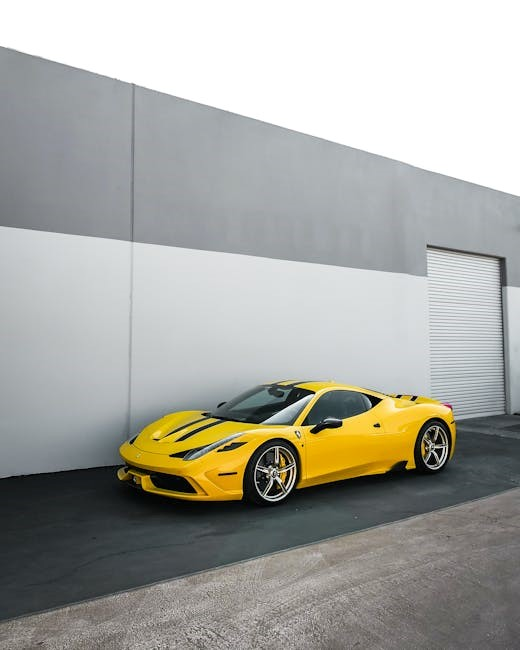
As classic and modern Ferraris appreciate, demand for manual options will likely persist. While manufacturers largely abandoned manual transmissions, a niche market exists for enthusiasts seeking a more connected driving experience. Expect continued interest in conversions, particularly for models like the 599, where a manual wasn’t originally offered.
Advancements in aftermarket control systems and readily available components could simplify conversion processes. Furthermore, the rise of restomod shops specializing in classic Ferraris may fuel this trend, offering turnkey manual conversion solutions.
Converting a Ferrari 599 GTB Fiorano to manual is a significant undertaking, demanding substantial investment and expertise. It’s not a decision to take lightly, as it impacts the car’s originality and potentially its value. However, for the dedicated enthusiast craving a more engaging driving experience, the reward can be immense.
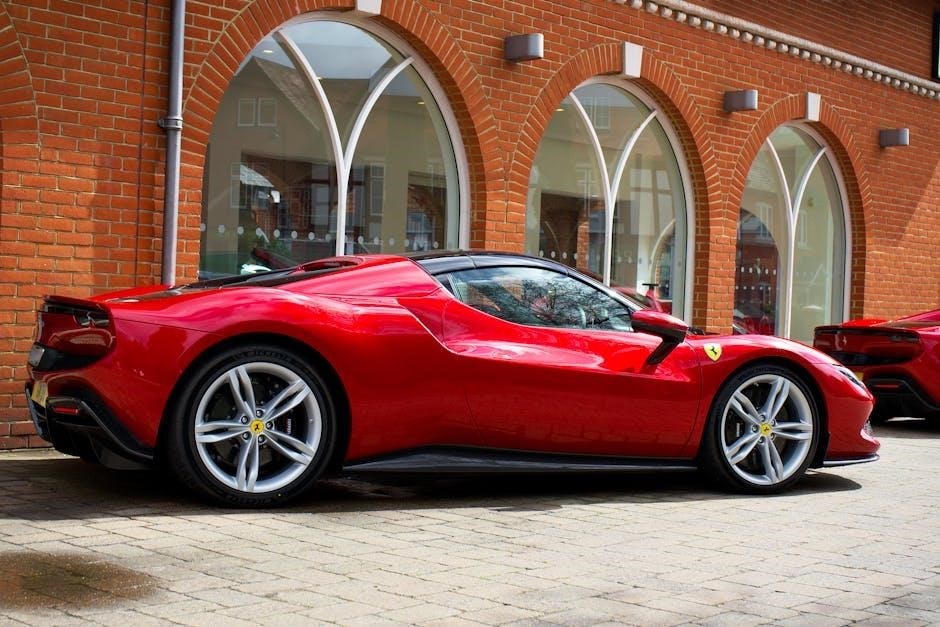
Ultimately, the “worth” is subjective. If you prioritize driver involvement and a visceral connection with the machine, a 599 manual conversion could be profoundly satisfying. Thorough research, careful planning, and a skilled team are crucial for success.